Benefits of a Medically Supervised GLP-1 Program
Published July 4, 2026

A medically supervised GLP-1 program is defined as a physician-led treatment plan that combines GLP-1 receptor agonist medications with clinical eligibility screening, dose titration, and ongoing safety monitoring. The industry standard term for this approach is "medically supervised pharmacotherapy," and it differs from self-directed or unsupervised medication use in one critical way: a licensed clinician controls every step. For adults with a BMI of 27 or higher, or with weight-related conditions like type 2 diabetes or hypertension, this structure is not optional. It is what separates short-term results from lasting health improvement. Ozarihealth delivers this model entirely online, connecting patients across all 50 states with licensed providers who prescribe compounded semaglutide at $86/mo on Ozari One, billed $258 every 3 months, and compounded tirzepatide at $125/mo on Ozari One, billed $375 every 3 months, with no insurance required. Ozari One ships to every state except California; California patients use Ozari Select, $145/mo billed quarterly for semaglutide or $199/mo for tirzepatide.
1. What are the measurable health benefits of a medically supervised GLP-1 program?
The clinical outcomes from supervised GLP-1 therapy go well beyond weight loss. Patients in structured programs see improvements across multiple metabolic markers, which is why these programs are prescribed for conditions beyond obesity alone.
Weight reduction is the most documented benefit. Semaglutide users lost an average of nearly 15% of their body weight over 68 weeks when combined with lifestyle changes, according to a New England Journal of Medicine clinical trial. That figure represents a clinically meaningful reduction, not a cosmetic one. Losing 15% of body weight in a patient who weighs 220 pounds means losing 33 pounds, which directly reduces stress on joints, the cardiovascular system, and metabolic organs.

Cardiovascular protection is a second major benefit. The SELECT trial, which enrolled more than 17,000 patients, found that GLP-1 medications reduced major cardiac events by 20% in obese patients with existing cardiovascular disease. That reduction is comparable to what some dedicated heart medications achieve.
Additional measurable benefits include:
- Improved fasting blood glucose and HbA1c levels, directly benefiting patients with prediabetes or type 2 diabetes
- Lower LDL cholesterol and triglyceride levels, reducing long-term arterial disease risk
- Reduced blood pressure, which lowers stroke and kidney disease risk
- Improved liver enzyme profiles, relevant for patients with nonalcoholic fatty liver disease
- Reduced systemic inflammation markers, which correlate with lower cancer and metabolic disease risk
Each of these outcomes is tracked through lab work and clinical follow-ups in a supervised program. Without that monitoring, patients have no way to confirm whether the medication is producing the intended effects.
2. How medical supervision enhances safety and effectiveness
Medical oversight is the mechanism that converts a GLP-1 medication from a drug into a treatment plan. Without it, patients face avoidable side effects, incorrect dosing, and no pathway for managing complications.
A licensed clinician follows a structured process in every supervised program:
- Eligibility screening. FDA guidelines set eligibility at a BMI of 30 or higher, or a BMI of 27 or higher with at least one weight-related condition. A formal health assessment and medical history review confirms this before any prescription is written.
- Dose titration. GLP-1 medications are started at a low dose and increased gradually over weeks. This reduces nausea, vomiting, and gastrointestinal discomfort, which are the most common reasons patients stop treatment early.
- Side effect management. Clinicians adjust dosing schedules, recommend dietary modifications, and prescribe supportive medications when needed. Patients are not left to manage adverse effects alone.
- Lab monitoring. Regular blood panels track kidney function, liver enzymes, blood glucose, and lipid levels. This catches problems before they become serious.
- Nutritional counseling. Dietitian-led guidance on protein intake and appetite management is a standard component of effective GLP-1 therapy. Adequate protein intake during weight loss preserves lean muscle mass.
Structured medical oversight with individualized dosing and behavioral support improves long-term adherence and outcomes, according to a Harvard Medical School research summary on GLP-1 programs. Adherence is the single biggest predictor of whether a patient reaches their weight loss goal.
Pro Tip: Ask your provider for a written titration schedule at your first appointment. Knowing exactly when your dose increases, and what symptoms to watch for, reduces anxiety and improves compliance.
3. Why long-term support and planned discontinuation matter
GLP-1 medications work while you take them. The clinical challenge is what happens when the medication stops. Without a structured plan, weight regain is not a possibility. It is a documented pattern.
A large 2026 analysis found that patients regained nearly 2 pounds per month after stopping semaglutide or tirzepatide abruptly. That rate of regain erases months of progress within a short period. The solution is a planned step-down protocol, not abrupt cessation.
A well-designed supervised program addresses this in several ways:
- Behavioral habit formation during treatment. Clinicians use the appetite suppression window to help patients build sustainable eating and exercise patterns that persist after medication ends.
- Gradual dose reduction. A step-down protocol reduces the medication dose incrementally, giving the body time to adjust its hunger signaling without a sudden rebound.
- Transition monitoring. Regular check-ins after dose reduction track weight, blood glucose, and other markers to catch early signs of regain before they compound.
- Maintenance planning. Some patients continue at a low maintenance dose long-term. Others transition off entirely. A clinician determines which path fits the individual's metabolic profile.
Telehealth platforms expand access to this ongoing support. Patients who would otherwise lose contact with their care team after initial weight loss can maintain regular check-ins through secure video consultations, without traveling to a clinic.
4. Practical advantages of online medically supervised GLP-1 options
Telemedicine has changed what a supervised GLP-1 program looks like in practice. Patients no longer need to live near a specialized obesity medicine clinic to receive physician-led care.
Board-certified physicians via telehealth can prescribe semaglutide and tirzepatide with regular follow-ups through secure video calls, reaching patients across all 50 states. This matters most for patients in rural areas or those with limited mobility, who previously had no practical access to supervised weight loss programs.
A 2024 study presented at the American Diabetes Association Scientific Sessions showed that telemedicine-delivered GLP-1 programs produced high patient satisfaction and double-digit weight loss over 6 months. The frequent follow-up structure in virtual programs increases accountability in a way that quarterly in-person visits cannot match.
Key practical benefits of online supervised programs include:
- HIPAA-compliant video consultations from any location in the US
- Medication delivered directly from licensed US compounding pharmacies to the patient's home
- Transparent, published pricing with no hidden fees or insurance navigation required
- Frequent digital check-ins that improve engagement and catch side effects early
- Access to clinical support for dosing questions, refills, and lab result interpretation
Pro Tip: Before enrolling in any online GLP-1 program, verify that the platform holds LegitScript certification and uses licensed US compounding pharmacies. These two markers confirm that the medication supply chain meets federal pharmacy standards.
Cost transparency is a specific advantage of well-structured online programs. Patients comparing online weight loss programs often find that compounded semaglutide and tirzepatide through telehealth platforms cost significantly less than branded alternatives, while maintaining the same clinical oversight structure.
5. What compounded GLP-1 safety oversight means for patients
Compounded GLP-1 medications are not the same as unregulated supplements. They are prepared by licensed US compounding pharmacies operating under FDA oversight and state pharmacy board regulations. Understanding this distinction protects patients from unsafe sources.
Compounded semaglutide and tirzepatide are formulated to match the active ingredient in FDA-approved branded medications. The compounding pharmacy must follow Current Good Manufacturing Practice standards. A licensed clinician must write the prescription. The patient receives a medication that has been reviewed at every stage of the supply chain.
One concern patients frequently raise is muscle loss during GLP-1 treatment. Clinicians agree that muscle loss during GLP-1 weight loss is similar to diet-induced weight loss and can be minimized with balanced nutrition and adequate protein intake. This concern is often overstated in media coverage. A supervised program addresses it directly through nutritional guidance integrated into the treatment plan.
Patients can review GLP-1 safety and pricing data to understand what clinical oversight looks like across different program structures before making a decision.
Key takeaways
A medically supervised GLP-1 program delivers clinically proven weight loss, cardiovascular protection, and metabolic improvement when physician oversight, dose titration, and long-term planning are combined.
| Point | Details |
|---|---|
| Clinical weight loss outcomes | Semaglutide produces nearly 15% body weight loss over 68 weeks when combined with lifestyle changes. |
| Cardiovascular benefit | The SELECT trial showed a 20% reduction in major cardiac events in obese patients with cardiovascular disease. |
| Supervision prevents regain | Patients regain nearly 2 pounds per month after abrupt cessation without a step-down protocol. |
| Telehealth expands access | Online supervised programs deliver physician-led care and medication to patients in all 50 states. |
| Compounded medications require oversight | Licensed US compounding pharmacies and a valid prescription are the minimum safety standards for GLP-1 therapy. |
Why supervision is the variable most patients underestimate
Patients often focus almost entirely on which medication to take and far less on what happens around the medication. That priority order misses what supervised programs are designed to provide.
The medication is the same molecule whether a licensed clinician prescribes it or someone orders it from an unverified source. What changes is everything else. Dose titration determines whether patients tolerate the medication or quit after two weeks of nausea. Nutritional guidance determines whether they lose fat or fat and muscle. A discontinuation plan determines whether results last or reverse within three months.
The patients who get the most from GLP-1 therapy are typically not the ones who found the cheapest source. They are the ones who stayed engaged with their care team, adjusted their dose when needed, and built habits during treatment that held after it ended. Telemedicine has made that level of engagement accessible without requiring anyone to take time off work or drive to a specialty clinic.
GLP-1 medications are genuinely effective, and that effectiveness can create a false sense of security. Patients may assume the drug is doing all the work. The clinical data shows that supervised programs consistently outperform unsupervised use on every metric that matters: adherence, total weight loss, and sustained results. Supervision is not a formality. It is the mechanism.
Ozarihealth's medically supervised GLP-1 program
Ozarihealth connects patients across all 50 states with licensed providers who prescribe compounded semaglutide at $86/mo on Ozari One, billed $258 every 3 months, and compounded tirzepatide at $125/mo on Ozari One, billed $375 every 3 months. No insurance is required, and pricing is published with no hidden fees.
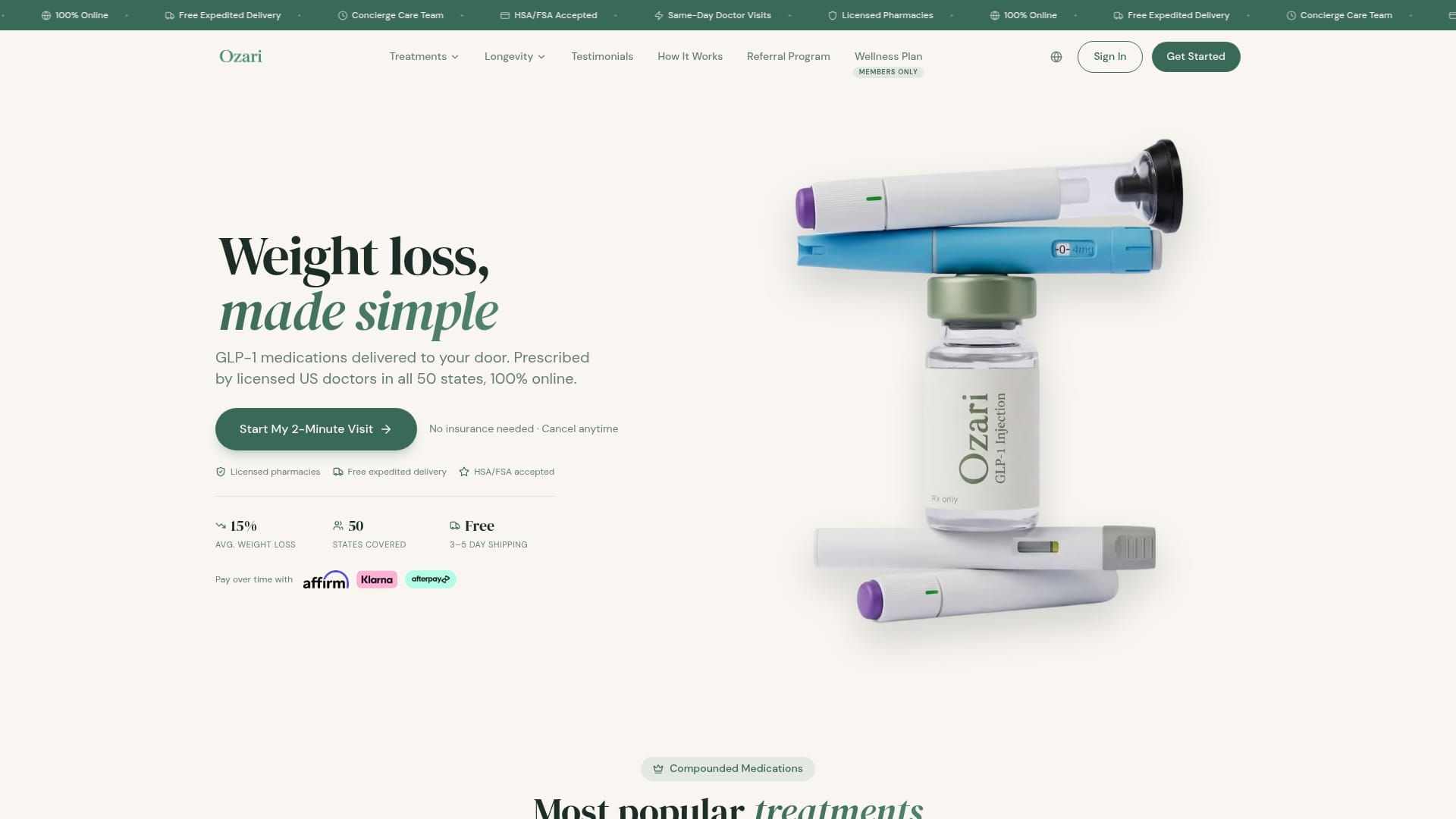
Every Ozarihealth patient goes through a formal eligibility review before any prescription is written. Medications are fulfilled through licensed US compounding pharmacies and delivered to the patient's door. LegitScript certification and named pharmacy partners are part of the platform's transparency commitment. Clinical support for dosing, side effects, and refills is available throughout the program. Patients who want to understand the full cost and clinical structure before enrolling can review GLP-1 pricing and trial data directly on the Ozarihealth site.
FAQ
What qualifies someone for a medically supervised GLP-1 program?
FDA eligibility guidelines require a BMI of 30 or higher, or a BMI of 27 or higher with at least one weight-related condition such as type 2 diabetes, hypertension, or high cholesterol. A licensed clinician confirms eligibility through a formal health assessment before prescribing.
How much weight can patients expect to lose on a supervised GLP-1 program?
Clinical trial data published in the New England Journal of Medicine shows semaglutide users lost an average of nearly 15% of their body weight over 68 weeks when combined with lifestyle changes. Individual results depend on adherence, dose, and behavioral factors.
What happens if GLP-1 medication is stopped without a plan?
A 2026 analysis found patients regained nearly 2 pounds per month after stopping semaglutide or tirzepatide abruptly. A supervised step-down protocol and behavioral support plan significantly reduce this risk.
Is compounded semaglutide safe to use?
Compounded semaglutide prepared by a licensed US compounding pharmacy under a valid prescription meets federal pharmacy standards. Patients should verify that their provider uses LegitScript-certified platforms and named, licensed compounding pharmacies.
Can a GLP-1 program be completed entirely online?
Yes. Board-certified physicians can prescribe and manage GLP-1 therapy through HIPAA-compliant telehealth platforms, with medication delivered directly to the patient's home. Ozarihealth operates this model across all 50 states with published, all-in pricing.
Sources
- Semaglutide users lost
- GLP-1 medications reduced
- FDA guidelines set eligibility
- Dietitian-led guidance
- patients regained nearly 2 pounds
Recommended
Related Articles
Men: Fella Health Safety Risks, Real Costs, and an $86 Alternative
A safety-first look at Fella Health for men: why compounded GLP-1s show higher FDA reporting risks, how to calculate all-in monthly cost, and an $86 Ozari...
Read more →generalHallandale Semaglutide vs Tirzepatide: What Patients Should Know
Compare the compounded semaglutide and tirzepatide formulations Hallandale currently lists, including concentrations, regulatory status, dosing differences, and Ozari fulfillment.
Read more →generalHallandale Pharmacy Shipping: Delivery, Packaging & Storage Guide
How Hallandale Pharmacy fulfillment works, what to check when a GLP-1 shipment arrives, storage guidance, delays, and Ozari order support.
Read more →